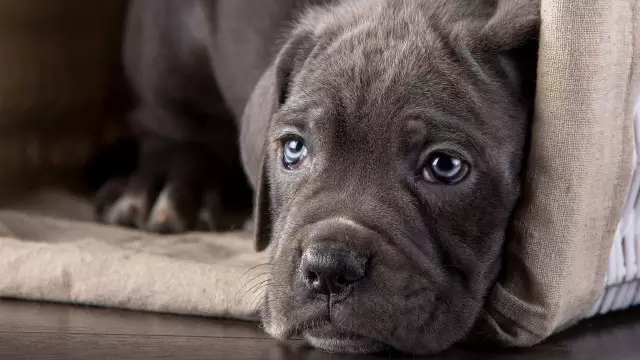
Third eyelid prolapse, also known as “cherry eye,” is a relatively common condition in dogs. The causes of this disease are diverse, including eye irritation from fur, excessive glandular secretion, congenital nictitating membrane cartilage defects, and tissue defects, all of which can induce the onset.
Cause Investigation
Congenital causes: May be due to congenital defects or hypoplasia of connective tissue attachments between the base of the gland and the periorbital tissue, or between the gland and the cartilage. It is generally believed that obstruction of the nictitating membrane gland ducts or orifices by inflammatory products or small foreign bodies leads to glandular enlargement, which then protrudes beyond the free edge of the nictitating membrane at the corner of the eye.
Acquired causes: Mostly result from prolonged external irritation to the eyes, leading to persistent ocular inflammation and subsequent swelling of the third eyelid gland.
Solutions
1. In the early stage, some antibiotic-containing eye drops or ointments can be used, and some dogs’ prolapsed glands can retract into the eyelid spontaneously.
2. If spontaneous recovery is not possible, surgical treatment is required. There are two types of surgeries: third eyelid embedding and third eyelid resection. Each has its own advantages and disadvantages.
Prevention Measures
Pay attention to daily eye care for your pet.
Important Reminder
Third eyelid hyperplasia is not severely harmful, but surgical resection is recommended if it seriously affects the pet’s quality of life.