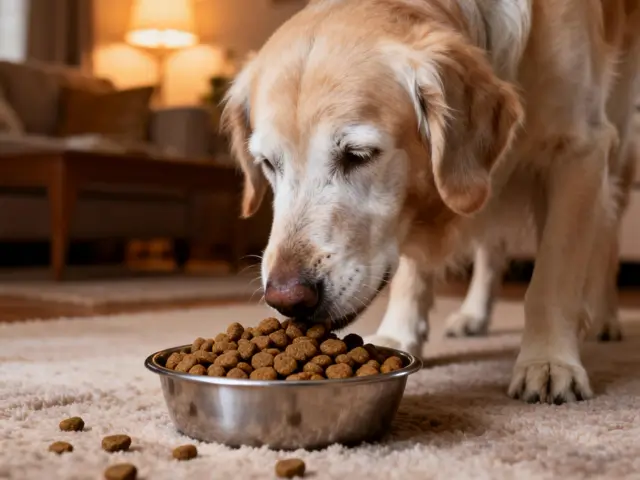
As dogs enter their senior years (usually around 7 years old for large breeds and 8-10 years old for small breeds), their physiological functions undergo significant changes—metabolism slows down, gastrointestinal motility decreases, joint health declines, and the risk of chronic diseases such as kidney disease, diabetes, and heart disease increases. Therefore, adjusting feeding strategies to meet their specific nutritional needs is crucial for extending their healthy lifespan and improving their quality of life. This guide will detail the core points of senior dog feeding.
Core Nutritional Needs of Senior Dogs
Compared with adult dogs, senior dogs have more targeted nutritional requirements. The key is to “focus on quality, control quantity, and prioritize protection”.
1. High-Quality Protein: Maintain Muscle Mass Without Burdening Organs
Senior dogs are prone to muscle loss, so adequate protein intake is essential. However, their kidney function may decline, so it is necessary to choose highly digestible, high-quality animal protein (such as chicken, fish, egg whites) instead of excessive crude protein. The recommended protein content in the diet is 20%-25%, which can maintain muscle mass while reducing the metabolic burden on the kidneys. Avoid low-quality protein sources such as meat by-products.
2. Controlled Energy and Fat: Prevent Obesity
With slowed metabolism, senior dogs are easily overweight, which will further increase the burden on joints and internal organs. The diet should be low in energy and moderate in fat, with a fat content of 8%-10%. Priority should be given to healthy unsaturated fats (such as fish oil, olive oil), which can protect the cardiovascular system and improve skin and hair health. Avoid high-fat, high-sugar foods that may cause obesity and inflammation.
3. Joint-Protecting Nutrients: Alleviate Degeneration
Osteoarthritis is common in senior dogs. Adding nutrients such as glucosamine, chondroitin, and omega-3 fatty acids to the diet can help repair joint cartilage, reduce inflammation, and relieve pain. For large and medium-sized senior dogs, these nutrients are especially important and can be supplemented through specialized senior dog food or vet-recommended supplements.
4. Antioxidants and Immune-Boosting Nutrients: Delay Aging
Free radicals accelerate aging in senior dogs. Antioxidants such as vitamin E, vitamin C, and beta-carotene can scavenge free radicals. At the same time, nutrients such as probiotics and prebiotics can regulate intestinal flora, improve gastrointestinal digestion and absorption capacity, and enhance immunity. Foods rich in dietary fiber (such as pumpkin, sweet potatoes) can also promote intestinal peristalsis and prevent constipation.
Key Feeding Principles for Senior Dogs
1. Choose “Senior Dog-Specific Food” and Avoid Adult/Kitten Food
Senior dog food is precisely formulated according to the physiological characteristics of aging dogs, with adjusted protein, fat, and mineral content (such as controlled phosphorus to protect kidneys). Do not feed adult dog food, which may be too high in energy and protein, or puppy food, which is not suitable for their digestive and metabolic capacity. When purchasing, check the label to ensure it meets national pet food standards and is marked “for senior dogs”.
2. Small, Frequent Meals: Protect Gastrointestinal Function
Senior dogs’ gastrointestinal motility is weakened, and eating too much at one time can easily cause bloating, indigestion, and vomiting. It is recommended to feed 3-4 small meals a day, with a total daily food intake controlled according to the dog’s weight, age, and activity level. Follow the feeding recommendations on the dog food package, and adjust appropriately based on the dog’s appetite and body condition (such as reducing the amount if overweight, increasing slightly if underweight).
3. Ensure Adequate, Clean Water Intake
Senior dogs are prone to dehydration due to decreased kidney concentration function and reduced thirst perception. Prepare a dedicated water bowl, replace it with fresh boiled and cooled water daily, and place it in an easily accessible location. For dogs with kidney disease or diabetes who need to control water intake, follow the veterinarian’s advice to adjust the amount of water provided.
4. Gradual Food Transition: Avoid Gastrointestinal Stress
When switching to senior dog food or changing brands, use the “7-day transition method” as with puppies: mix 80% old food + 20% new food for days 1-2, adjust the ratio gradually, and completely switch to new food on day 7. Sudden food changes can cause diarrhea and loss of appetite in senior dogs with fragile gastrointestinal systems.