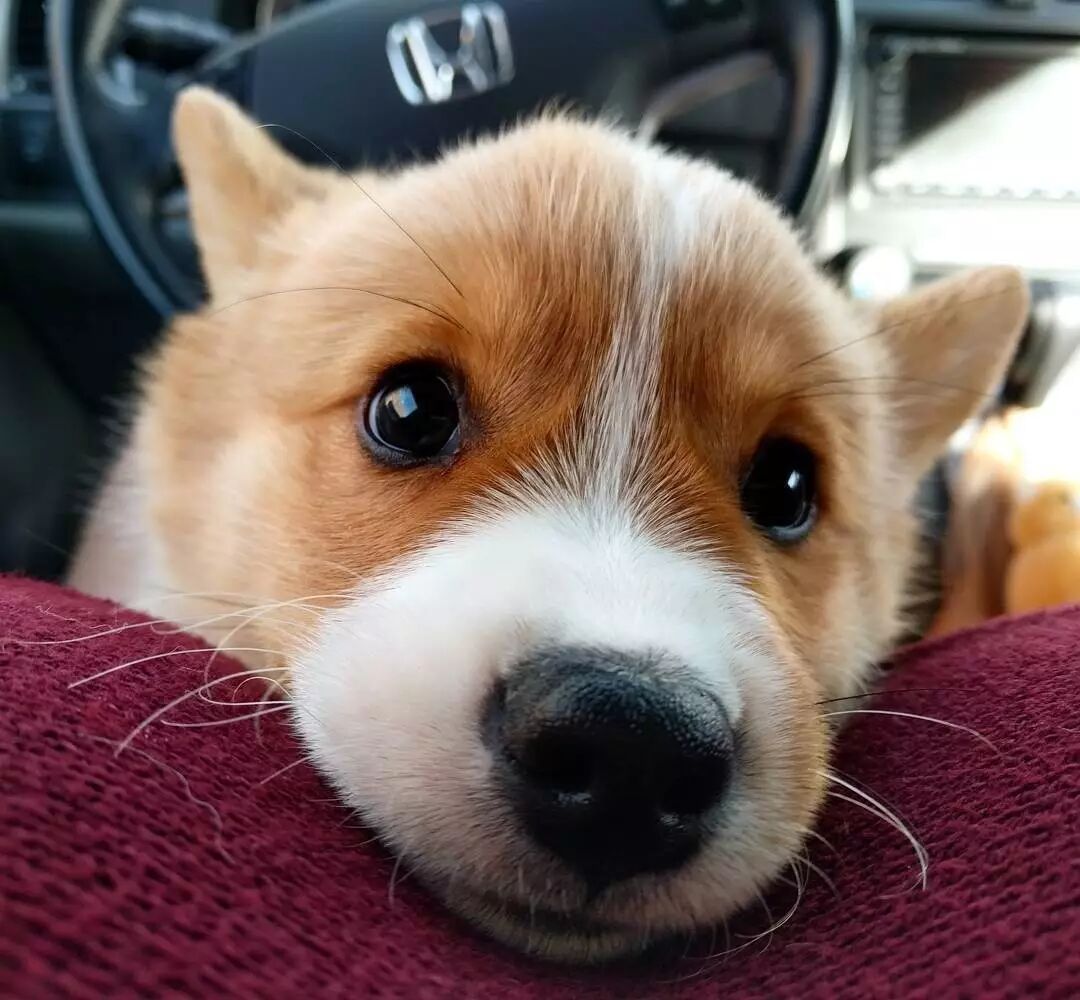
Skin lumps are a common issue in dogs, with a wide range of underlying causes that require targeted identification.
Cause Investigation
- Post-injection LumpsMost often caused by delayed drug absorption under the skin, leading to localized bumps, hard nodules, or small lumps at the injection site.
- TumorsTypically present as firm, hard masses on the skin.
- Skin DiseasesManifest as clusters of small bumps concentrated on specific areas of the body.
- HerniaUsually a single, soft lump around the abdomen. It may disappear when pressed or when the dog lies down, and is more common in young puppies and kittens.
- Skin and Soft Tissue Trauma or InflammationSuch as cellulitis and other inflammatory conditions.
Solutions
- Post-injection LumpsThey will resolve naturally as the medication is absorbed. Local hot compresses can speed up absorption and lump regression.
- Suspected TumorsSeek veterinary examination immediately to determine if the tumor is benign or malignant.
- Skin DiseasesVisit a vet promptly for relevant skin tests, and receive targeted treatment based on the diagnosed cause.
- HerniaRequires surgical intervention for treatment.
- Soft Tissue Trauma or InflammationCan be treated with conservative methods or surgery. Conservative treatment includes subcutaneous injection of antibiotics and tissue-repairing drugs. If conservative treatment fails, surgical treatment is necessary.
Prevention Measures
- Pad the corners and edges of tables, chairs, cabinets, and other furniture at home to prevent injuries when dogs run around indoors.
- Maintain a clean and hygienic household environment.
- Apply a hot compress to the injection site for 5–15 minutes after your dog receives a shot. Hot compresses can be done at home after any injection to facilitate drug absorption. If you prefer not to use hot compresses, gently massage the injection site for about 15 minutes instead.
Special Reminder
If a lump grows larger without any medication or external irritation, accompanied by signs like pain, fever, or lethargy in your dog, it is a dangerous signal. Seek immediate diagnosis and treatment at a large-scale pet hospital.