As a pet owner, ensuring your dog’s diet is safe is one of the most crucial responsibilities. Many common human foods that are harmless to us can be toxic, or even fatal, to dogs due to their unique digestive and metabolic systems. Some toxic foods cause immediate reactions, while others may lead to chronic damage over time. This guide outlines the key foods dogs should never eat, the risks they pose, and essential tips for keeping your furry friend safe.
Major Toxic Foods for Dogs
- Chocolate, Coffee, and Caffeine These contain methylxanthines (theobromine and caffeine), which dogs cannot metabolize effectively. Even small amounts can cause vomiting, diarrhea, rapid breathing, increased heart rate, tremors, seizures, and death. Dark chocolate and unsweetened baking chocolate are the most toxic, followed by milk chocolate. Caffeine sources like coffee beans, tea bags, energy drinks, and soda are also extremely dangerous.
- Grapes, Raisins, and Currants All forms of these fruits—fresh, dried, or in products like trail mix or baked goods—are toxic to dogs, though the exact toxic compound is unknown. Ingestion can lead to sudden kidney failure, with symptoms including vomiting, diarrhea, lethargy, abdominal pain, and decreased urination. Even a few grapes or raisins can be fatal for some dogs.
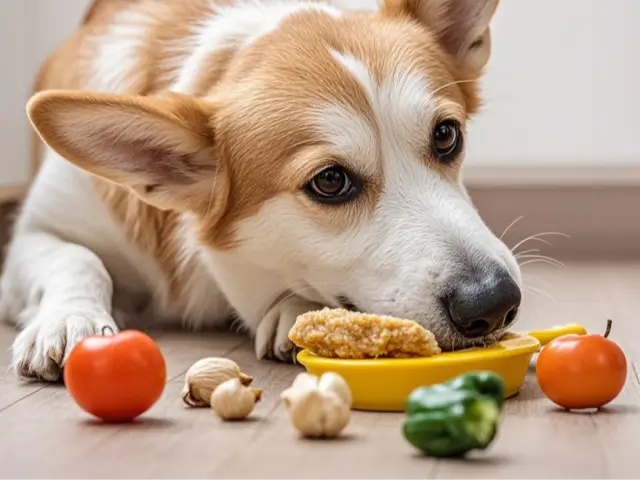
- Onions, Garlic, Leeks, and Chives These members of the Allium family contain compounds that damage a dog’s red blood cells, leading to anemia. Toxicity can occur from raw, cooked, or powdered forms (e.g., in seasoning blends or baby food). Symptoms may take days to appear and include weakness, pale gums, lethargy, vomiting, diarrhea, and difficulty breathing. Large or repeated ingestion is particularly dangerous.
- Xylitol A sugar substitute commonly found in sugar-free gum, candy, baked goods, toothpaste, and some peanut butters. Xylitol causes a rapid and severe drop in blood sugar (hypoglycemia) in dogs, leading to weakness, stumbling, seizures, and liver failure. Even tiny amounts (e.g., a piece of gum) can be life-threatening, with symptoms appearing within 10–60 minutes of ingestion.
- Alcohol Alcohol (ethanol) is toxic to dogs, affecting their central nervous system and respiratory system. Ingestion of beer, wine, liquor, or food containing alcohol can cause vomiting, diarrhea, coordination problems, depression, breathing difficulties, coma, and death. Dogs are much more sensitive to alcohol than humans—even a small sip can be dangerous.
- Avocado Avocados contain persin, a compound that is toxic to dogs (and many other animals). Persin is found in the fruit, skin, pit, and leaves. Ingestion can cause vomiting, diarrhea, abdominal pain, and respiratory distress. The large, hard pit also poses a choking hazard or risk of intestinal blockage.
- Raw/Undercooked Meat, Eggs, and Bones Raw meat and eggs may contain harmful bacteria like Salmonella or E. coli, leading to food poisoning (symptoms: vomiting, diarrhea, fever, lethargy). Raw bones (especially small, brittle ones like chicken or fish bones) can splinter and cause choking, lacerations to the mouth, throat, or digestive tract, or intestinal blockage. Cooked bones are also dangerous as they become hard and brittle.
- Milk and Dairy Products Most adult dogs are lactose intolerant, meaning they lack the enzyme needed to digest lactose in milk. Ingestion of milk, cheese, ice cream, or other dairy products can cause digestive upset, including vomiting, diarrhea, and gas. While not typically life-threatening, dairy should be avoided to prevent discomfort.
Signs of Food Toxicity in Dogs to Watch For
If you suspect your dog has eaten a toxic food, watch for these common symptoms and seek emergency veterinary care immediately:
- Vomiting (with or without blood) or diarrhea
- Lethargy, weakness, or collapse
- Rapid breathing, increased heart rate, or panting
- Tremors, seizures, or loss of coordination
- Pale gums, dry gums, or dehydration
- Abdominal pain (whimpering, hunching, refusing to be touched)
- Decreased or no urination (sign of kidney issues)
- Jaundice (yellowing of the eyes, skin, or gums—sign of liver damage)
Essential Tips for Safe Feeding
- Stick to Dog-Specific Food: Feed your dog a balanced, high-quality commercial dog food or a vet-approved homemade diet. Human food should only be given as occasional treats (if safe) and in small amounts.
- Read Labels Carefully: Check ingredient lists on treats, snacks, and household products (e.g., toothpaste, gum) for toxic ingredients like xylitol, onions, or garlic.
- Keep Toxic Foods Out of Reach: Store chocolate, grapes, alcohol, and other dangerous foods in closed cabinets or containers that your dog cannot access. Be mindful of dropped food or trash (e.g., coffee grounds, onion peels).
- Educate Family and Guests: Make sure everyone in your household and visitors knows not to feed your dog table scraps or human food without checking if it’s safe first.
- Have Emergency Contacts Ready: Save the phone number of your veterinarian and the nearest 24/7 animal emergency clinic. You can also keep the ASPCA Animal Poison Control Center number (1-888-426-4435) handy for quick advice.
Final Reminder
When in doubt about whether a food is safe for your dog, it’s always best to err on the side of caution and avoid feeding it. Never assume that “a little bit won’t hurt”—many toxic foods have no safe dosage for dogs. Prompt action is critical if your dog ingests something harmful: do not wait for symptoms to appear, as delays can lead to severe illness or death. Prioritizing safe feeding habits is one of the best ways to keep your dog healthy and happy for years to come.